Description
Eleven years old and still selling
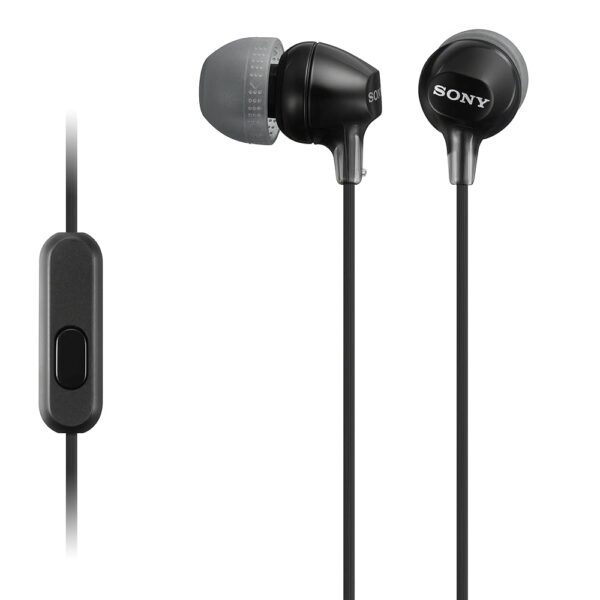
The Sony MDR-EX15AP is a wired 3.5mm in ear headphone with a single inline microphone and playback control. Amazon lists it as first available in April 2014, and it still sits around 47th in earbud and in ear headphones with 35,614 ratings averaging 4.3 out of 5. That combination of age and position is the most informative thing about it. A product that has stayed in the top fifty of its category for over a decade, against thousands of newer wireless competitors, is doing something right, and what it is doing right is being simple, cheap and reliable.
There is no battery. There is no pairing. There is no firmware, no app, no case and nothing to charge. Sony sells the same body without a microphone as the MDR-EX15LP; the AP suffix here is the version with the inline mic and remote, which is the one worth having if you take calls.
The connector question comes first
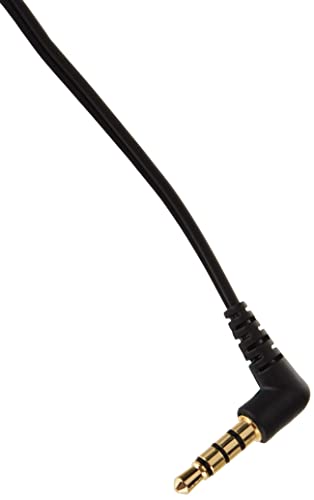
This plugs into a 3.5mm headphone jack. Most current phones do not have one. That single fact decides whether this product works for you before any specification matters. It plugs straight into laptops, desktops, tablets with jacks, older phones, portable players, aircraft entertainment with an adapter, gym equipment and audio interfaces. On a modern iPhone or a recent Android flagship you will need a Lightning or USB-C adapter, which is not included.
Because the connection is analog, none of the usual wireless discussion applies. There is no Bluetooth version, no codec, no latency and no range. What determines the sound is the driver, the cable and the headphone amplifier in whatever you plug into. If you are using a USB-C dongle, the digital to analog conversion is happening in the dongle, and dongle quality varies more than most people expect.
The inline remote, and what Sony does not say about it
Sony lists integrated media control and a microphone for smartphone playback control. What the listing does not specify is how many buttons the remote has or whether volume control is included. On this class of Sony headset the remote is typically a single button handling play, pause, track skip by multiple presses and call answer, with no volume rocker. If volume from the cable is important to you, confirm it before ordering, and be aware that inline remote behavior varies between iOS and Android regardless of what the hardware supports.
No battery, and what takes its place
Nothing to report on runtime, which is the point. No bud figure, no case figure, no charge cycles, no capacity loss after three years. Wired headphones are the only category in this catalog where the battery discussion is absent entirely, and it removes the failure mode that eventually retires every wireless product.
What ends a wired headphone instead is the cable, specifically the strain point where it meets the plug and the split toward each earbud. Sony addresses tangling with a Y type cord and a cord slider that cinches the two branches together, which genuinely helps in a bag, but nothing on this listing describes strain relief or cable durability, and cable length is not published either. If your setup is specific, a treadmill console, a desk, a seat back, confirm the length before ordering.
Fit, seal and the note Sony includes
Three ear tip sizes ship in the box, small, medium and large, described as hybrid silicone. Sony also includes a product note that most brands leave out, and it is correct: if the tip size does not match your ear canal, or the headset is not worn properly, you may not get the intended sound quality or call performance, and you should change to a tip that fits more snugly. That is the single most useful sentence on the page. Seal decides perceived bass on any sealed earbud, and a thin sounding earbud is far more often a fit problem than a driver problem.
The driver is a 9mm dome type unit with a neodymium magnet. That is a real published figure. The frequency range is given as 20 Hz to 20,000 Hz with no tolerance attached, which as always makes the range close to meaningless on its own. Impedance and sensitivity are not published anywhere on this listing, which is a gap if you are trying to work out whether a low output source will drive them adequately. Item weight is 3 grams, which describes the housings rather than the cord.
There is no IP rating and none is claimed. The structured field for water resistance is absent entirely, and Sony makes no sweat or splash claim in the copy. Treat these as unrated. They are a listening product, not a training product, and sweat is a real risk to any unsealed connector and cable joint.
Isolation, awareness and where else to look
The structured field correctly describes the noise control as sound isolation, meaning the passive blocking that comes from a silicone tip sealing the canal. There is no active noise cancellation and none is claimed. Passive isolation from a well fitted tip is more effective than people expect against mid and high frequency sound, and less effective than active cancellation against low frequency drone.
That also means these reduce your awareness of traffic. A sealed in ear headphone with a cable is not the right choice for cycling or road running: the isolation masks vehicles and the cable is a snag hazard. Keep the volume low enough that conversation remains audible, and if awareness while moving is the actual requirement, look at our open fit headphone listings instead of trying to make a sealed product work.
For the other wired options in this catalog, our Apple EarPods with 3.5mm plug review covers an unsealed alternative that trades bass and isolation for awareness, and our JBL Endurance Run 2 Wired review covers a wired sports model that does carry an IP rating. If you want a wired Sony with a full specification sheet behind it, see our Sony MDR7506 review. If you would rather go wireless within the same brand, our Sony WF-C500 review is the budget entry point. Broader alternatives are in our earbud headphone listings.
Buy or skip
Buy it if you have a jack or will use an adapter, you want an inexpensive spare pair for a desk, a bag or a laptop, and you value having nothing to charge. Skip it if your phone has no jack and you will not carry a dongle. Skip it if you want active noise cancellation or serious bass extension from a 9mm driver. Skip it if you plan to train in them, because no water rating is published. Confirm the cable length and whether the remote includes volume control before ordering, since neither is stated.