


Description
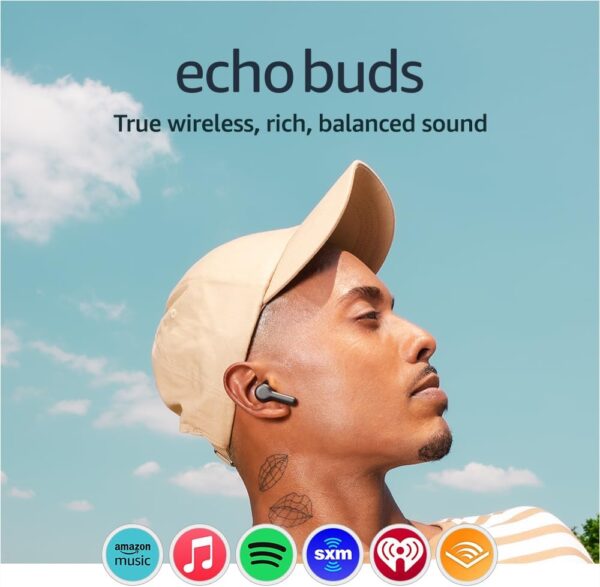
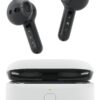
The Amazon Echo Buds in this listing are the semi in-ear model, and that phrase carries most of the product. These do not seal the ear canal. They rest in the ear the way Apple’s unsealed AirPods do, and Amazon states plainly that the design keeps you aware of your surroundings rather than shutting them out. Everything else on the specification follows from that choice, including the battery figures and the low water rating.
Who these are for
These suit someone who wants Alexa hands-free, works across two devices, and dislikes the plugged-ear feeling of sealed buds. Amazon publishes the physical figures precisely: the bud is 33.9 by 19.1 by 17.7 millimeters at 5.0 grams, and the case is 23.4 by 51 by 51 millimeters at 36.0 grams. The box contains the buds, the charging case, two pairs of silicone earbud covers and a quick start guide.
Two pairs of covers, not ear tips, is the correct way to describe what is supplied, because an unsealed bud is not held by a tip wedged in the canal. That changes the fit problem entirely. There is no seal to get right and no bass to lose by getting it wrong, but there is also no passive isolation, so what you hear on a train is the train plus your music.
There is no active noise cancellation on this model. Amazon does not claim any, and the semi in-ear description explains why: cancellation needs a sealed cavity to work against. If cancellation is the requirement, the Soundcore P30i is a sealed cancelling set with published figures for both states.
How they connect
Bluetooth 5.2 is stated, along with the supported profiles: Hands-Free Profile for calling, A2DP for stereo streaming, AVRCP for media control and a serial profile. Profiles are not codecs, and no audio codec is named anywhere on this record.
The chip supports codecs the listing does not claim
Amazon does publish the processor, which is unusual and helpful: a Qualcomm S5, part number QCC5171, described as a Bluetooth system on chip with an integrated audio codec. Chips in that family are often capable of more than SBC, but a chip’s capability is not a product’s specification. Amazon names no codec, so SBC is the only one that can be assumed, because SBC is the baseline every Bluetooth device supports. Nothing here supports a high resolution or lossless claim, and any codec that was named would still require your phone to support the same one.
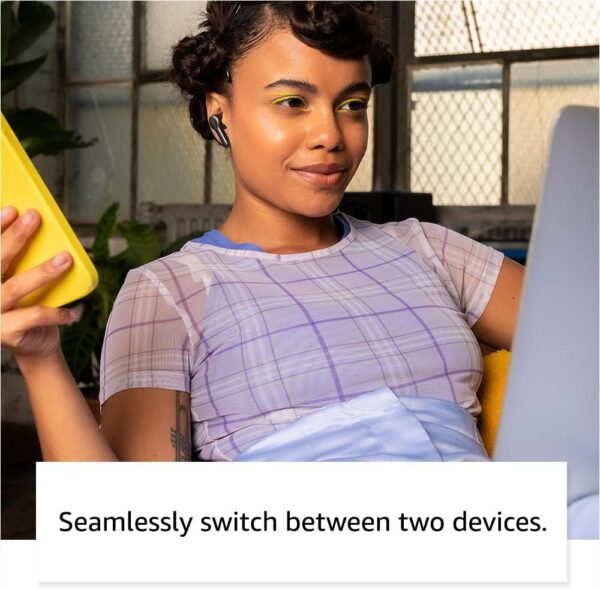
Multipoint is confirmed and described properly: two devices connected at the same time with automatic switching, using the example of moving from a laptop video call to music on a phone. That is the feature that changes daily use more than any number on this sheet, and it is a real reason to consider these over an unsealed set that lacks it.
One line in the device compatibility field deserves reading twice. Amazon states that the Echo Buds use a wifi or mobile data connection and the Alexa app for connectivity and other features. Hands-free Alexa is not local processing. If you object to an earbud that depends on an app and a data connection for part of its feature set, that is the sentence to weigh.
The battery picture, which this listing states unusually well
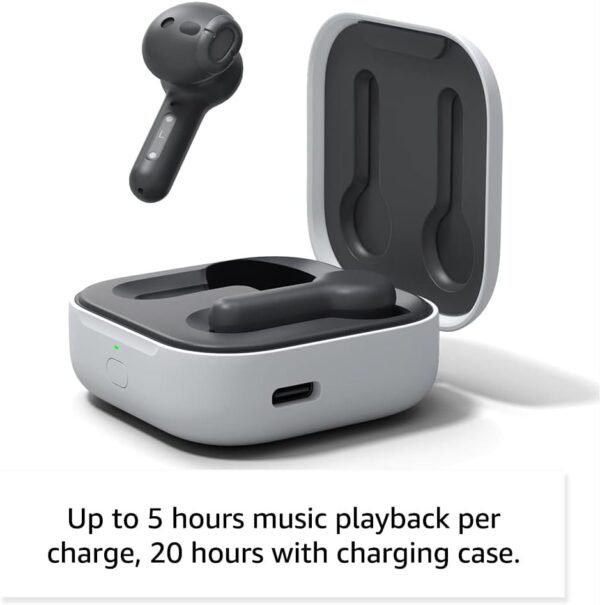
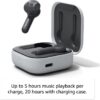
Amazon publishes four figures and explains what changes between them. Up to 5 hours of music playback on a single charge with Hands-Free Alexa active. Up to 6 hours on a single charge without the wake word listening. Up to 20 hours total with the charging case. Up to 2 hours of playback from a 15 minute quick charge.
Publishing the cost of the wake word separately is genuinely rare, and it is the honest way to do it, because always-listening wake word detection runs a microphone and a detector continuously. Five hours is the number to plan a day around if you leave Alexa enabled, and 20 is the combined bud-plus-case total, not a single session. Very few earbud listings in this catalog separate their figures this cleanly.
Full charge time for the buds or case is not published, and neither is wireless charging support on this variant.
Sound, microphones and the water rating
Each earbud carries a 12 millimeter driver, two microphones and a voice detection accelerometer, which senses your jaw movement to distinguish your speech from ambient sound during calls. Twelve millimeters is a generous driver diameter for an in-ear. An Audio Personalization feature in the Alexa app plays a range of frequencies to tailor the response, which is a software equalization step rather than a hardware measurement.
Tap controls are customizable per earbud through the Alexa app, covering music, calls and microphone muting. There is a microphone off control among the privacy features, which is a hardware-level assurance rather than a software toggle and is worth having on an always-listening device.
The water rating is the weakest specification here and the one most likely to be misread. Amazon publishes IPX2, earbuds only. The marketplace title describes them as sweat resistant. IPX2 covers dripping water when the device is tilted up to 15 degrees, which is the lowest meaningful rating on the scale and is a long way below the IPX4 splash and sweat standard most earbuds carry. A heavy workout, a jog in rain or an accidental drop into water are all outside it. Do not treat these as a gym product, and note that the case is not covered by the rating at all.
Two further points apply to every ingress rating: no IP code covers seawater or pressurized water, and protection degrades as seals age.
Awareness, and where these fit for outdoor use
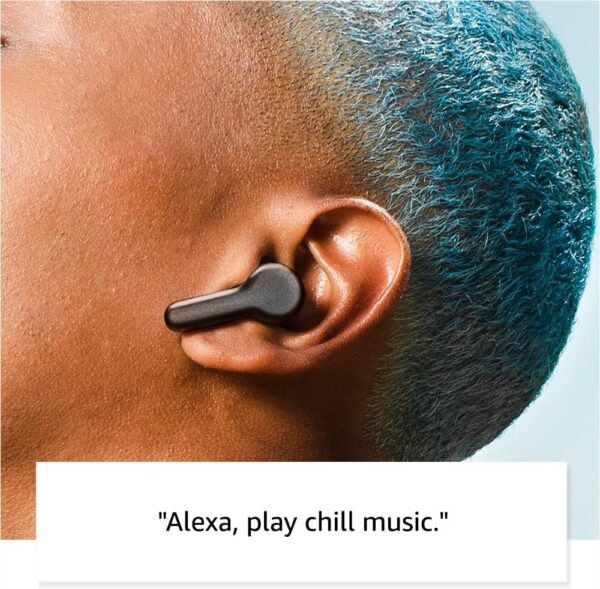
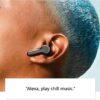
Because the fit is unsealed, these leave you more aware of traffic and voices than a sealed bud does, and Amazon markets that as the point. That awareness is real and it is a genuine advantage over a cancelling set. It is still not the same as open ears. Music playing in an unsealed earbud masks quiet sounds, and the volume needed to hear detail over street noise is higher than the volume needed indoors, which is a hearing consideration in itself. Keep the level down outdoors rather than raising it to compete with the environment.
What is missing, and what to compare
Unpublished: frequency response, impedance, sensitivity, codec support, charge times, wireless charging, and any transparency or EQ mode beyond the personalization feature. The source category path on this record contains only reviewer names, so there is no usable category data. The warranty is stated as one year limited with optional extensions sold separately.
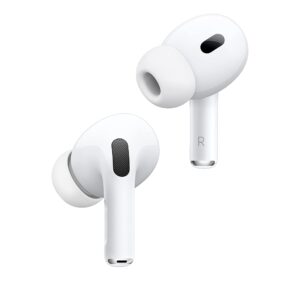
Within our own listings, the Apple AirPods 4 and the Apple AirPods 3rd generation are the closest unsealed comparisons, the Beats Solo Buds take a sealed approach with a far longer bud runtime, and the earbud headphone listings we track cover the wider field.
Who should buy them, who should not
Buy the Echo Buds if you want Alexa on your ears, if multipoint switching between a laptop and a phone is part of your day, and if an unsealed fit suits you better than a sealed one. Skip them if you want active noise cancellation, if you need real isolation on a commute, if you want a named codec, or if you were planning to wear them for anything sweaty. IPX2 does not cover that, whatever the title says.