
Description
Who this earbud is being sold to
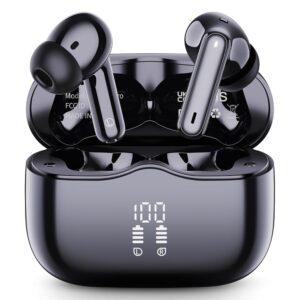
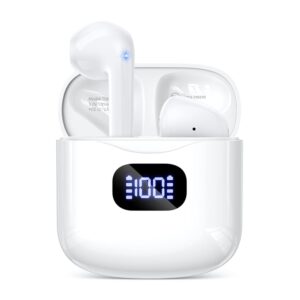
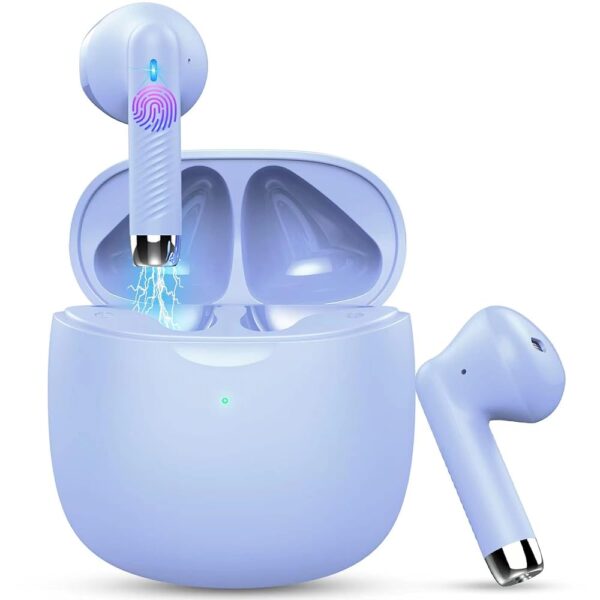
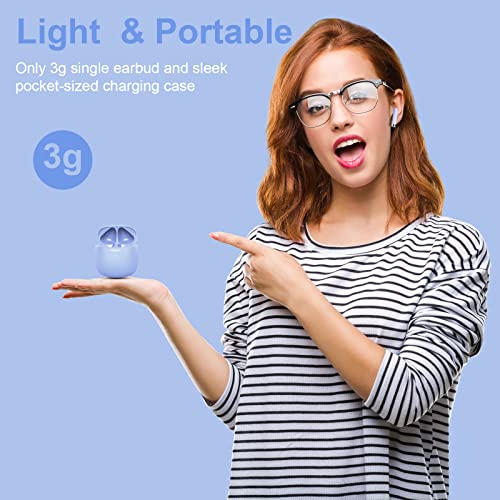
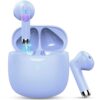
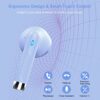
Jxrev aims the J51 at the budget sport buyer. The listing stacks running, gym work, cycling, motorcycling, snowboarding, skateboarding, gaming and calling into its recommended uses, which is less a description of the product than a list of every search term the seller wanted to appear under. Strip that back and what remains is a light, stick shaped true wireless earbud with a large driver, a recent Bluetooth radio, USB-C charging and a 32 hour headline battery figure. The published rating is 4.3 out of 5 across 5,063 ratings, and the listing places it 366th in the earbud and in-ear headphone category, which is among the stronger placements in this catalog. It first appeared in September 2022.
Before going further, one catalog note. A second Jxrev J51 listing exists separately under a different product code, and you can read our write up of the other Jxrev J51 listing alongside this one. Where two listings carry the same model name, the published specifications do not always match, so check which one you are actually ordering.
Connection and codecs
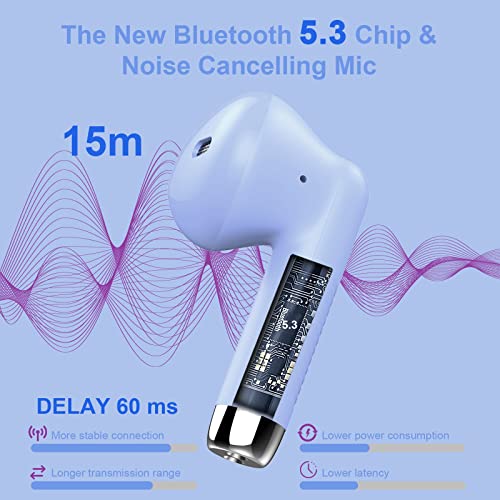
The specification gives Bluetooth 5.4 with a 10 meter range, and the bullets make a good deal of that version number. Bluetooth 5.4 is genuinely recent, and what it improves is connection stability, interference handling and power efficiency. It does not improve sound quality, and the bullet claiming the standard delivers an audio experience without any flaw is marketing language rather than a specification. A newer radio feeding the same codec produces the same audio.
No codec is named anywhere on this listing. Not AAC, not aptX, not LDAC. SBC is the guaranteed baseline and the only format you can count on. The bullets use the phrase Hi-Fi stereo sound and describe 13mm drivers with deep bass, but neither of those statements is a codec claim, and there is no basis anywhere in the published specification for describing this product as high resolution or lossless. Compatible devices are listed as iOS and Android smartphones and tablets. Multipoint pairing is not mentioned, so assume one device at a time.
The specification fields that contradict each other
Several entries on this listing cannot all be right. Ear Placement reads On Ear while Form Factor reads In Ear, and those describe two different products. Number of Items reads 5, which appears to count the packaged accessories rather than the product. Sensitivity is given as 36 dB, which is not a plausible headphone sensitivity figure, since these are normally quoted around 100 dB per milliwatt. The weight entries do agree with each other, 3 grams and 0.106 ounces, and the bullets confirm a 3 gram earbud, so the ultra light claim is at least internally consistent.
Battery, and the number that is missing
The title says 32 hours of playtime and the Battery Life field says 32 hours. Nowhere on the listing is that figure broken into bud runtime and case runtime. That omission matters more than it might seem. On almost every comparable product in this catalog, the headline number is the combined total across several case recharges, and the actual continuous listening session sits somewhere between five and ten hours. If Jxrev follows the same convention, and there is no reason to think otherwise, then 32 hours is the total and the per charge figure is unpublished. Do not plan a long flight around a 32 hour number that has not been broken down.
What is published is a 1 hour charging time and USB-C charging, both of which are good. The included components list is unusually specific and useful: a 30cm USB-C cable, the charging case, both earbuds and a manual in English and Spanish.
Fit, seal, controls and an IP code that does not exist
This needs stating plainly. The title and the specification both claim IP7 waterproofing. IP7 is not a valid rating. The IP system uses two positions after the letters, the first for solid particle ingress and the second for water, and a valid water only code is written IPX7. IP7 on its own is incomplete and does not correspond to any tested standard. The Water Resistance Level field adds only the word Waterproof, which is an adjective rather than a rating. The honest position is that this product does not publish a valid IP rating at all. It may well be built to IPX7, and other products in this catalog with similar designs are, but that is an assumption and not something this listing establishes. Do not immerse these, and do not rely on them surviving heavy rain.
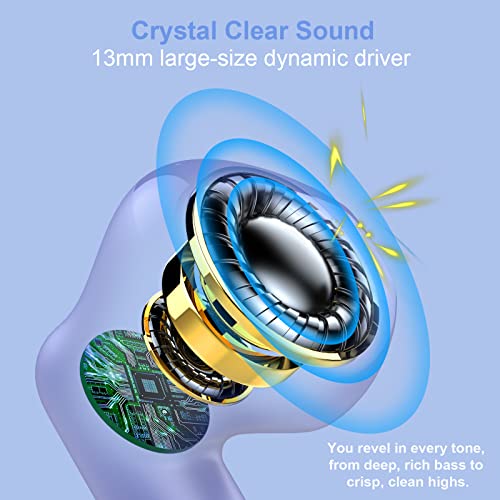
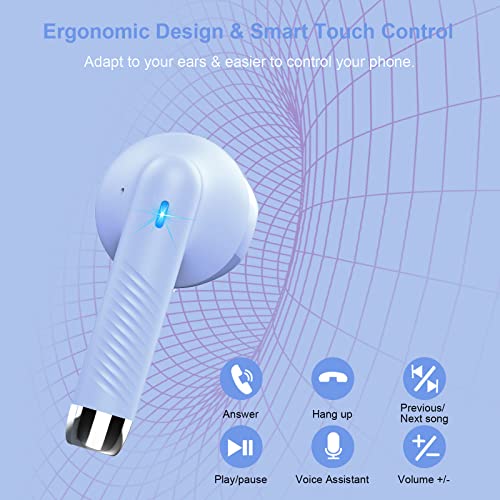
Fit hardware is a stick shaped bud with a 13mm dynamic driver, which is a large driver for the format. The listing does not state how many ear tip sizes are included, and that is the specification that decides whether the seal works in your ear, which in turn decides how much bass you actually hear. Controls are touch based on both buds, covering volume, track skipping, pause and call answering, plus voice assistant access. Noise Control reads Sound Isolation, meaning passive blocking from the seal only. The noise cancelling described in the title applies to the microphone on calls, not to what you hear.
The safety point, and where else to look
The recommended uses field on this listing includes cycling and motorcycling, and that deserves a direct response rather than a polite one. This is a sealed, sound isolating in-ear product. Sealing both ear canals while riding on a road removes the sound cues you use to place traffic, and in a number of states wearing earphones in both ears while driving or riding is restricted by law. A closed in-ear design is the wrong tool for road cycling and the wrong tool for motorcycling. If those are your use cases, an open ear product that leaves the canal clear is the correct category, and something like the PSIER X11 bone conduction design or the rest of our open ear listening section is where to start.
The Age Range field reads Adult and Kid, and nothing in this specification describes a volume limiter. A product listed as suitable for children is not the same as a product with a hardware volume cap, and any ceiling set inside a phone can be switched off by whoever is wearing the earbuds. Do not treat this as a hearing safe purchase for a child.
For alternatives, the same brand’s Jxrev J53 with a similar Bluetooth 5.4 specification is the closest sibling, and if a properly published water rating is what you want, the TOZO T6 and its stated IPX8 code shows what a complete disclosure looks like. The full true wireless earbud section holds the rest.
Who should buy it, who should not
Buy it if you want a very light stick shaped earbud with a recent Bluetooth radio, USB-C charging and a strong rating count behind it, and you accept SBC audio and no active noise cancellation. Skip it if you need a documented water rating, because IP7 is not one, if you need to know your per charge runtime before committing, if you plan to ride a bike or motorcycle in them, or if you are buying for a child on the assumption that a volume limit exists.