



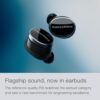
Description
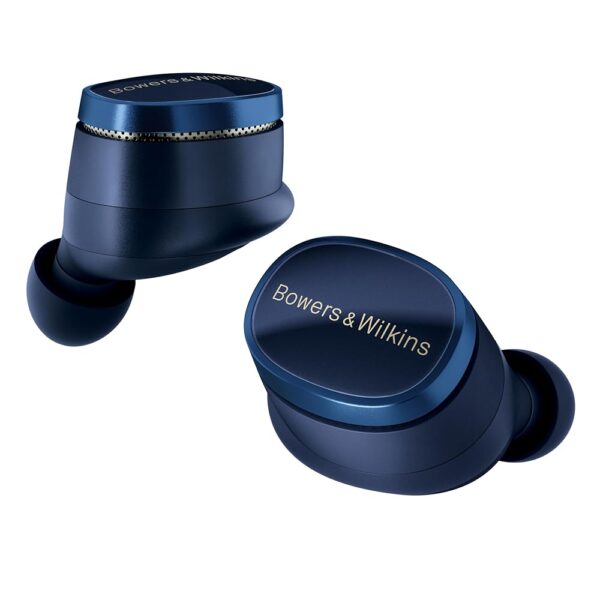
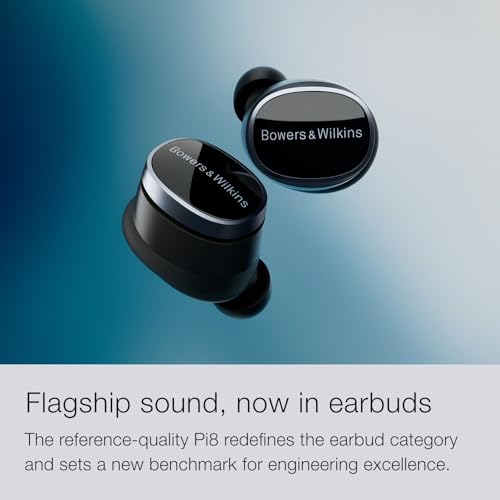
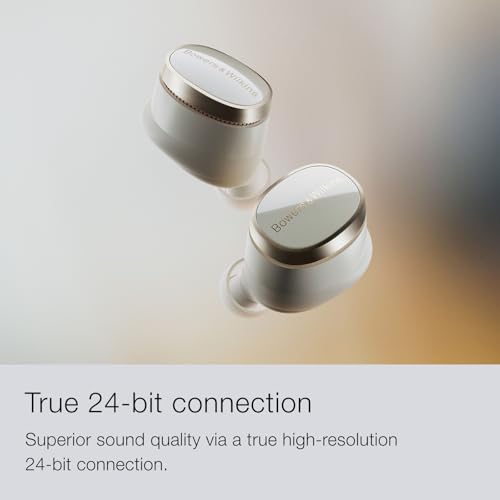
The Bowers and Wilkins Pi8 is one of the very few earbuds in this catalog that names its codec, and the codec it names is the most demanding one in consumer Bluetooth. B and W state a Qualcomm chipset with aptX Lossless and a true 24-bit connection, paired with 12mm carbon cone drive units adapted from the Px8 over ear headphone, adaptive active noise cancellation, three microphones, single button controls, multipoint pairing across two devices, four ear tip sizes and a charging case that retransmits audio from an analog source. The listing went live on August 21, 2024, and at the point this data was captured it carried 244 ratings averaging 4.0 out of 5, ranked 25,969th in Electronics and 2,110th in Earbud and In-Ear Headphones. This is a new unit, not a renewed or refurbished one.
Who this is for
This is a set bought for sound rather than for features, from a loudspeaker company that has been building drivers for decades. The carbon cone construction is the same approach used in the Px8, and the argument behind it is stiffness: a stiffer cone stays pistonic further up the frequency range, which reduces breakup distortion in the treble. That is a real engineering rationale rather than a marketing one, and it is the reason to consider these over rivals with longer feature lists.
The case retransmission feature is the other genuinely practical item. It accepts an analog input over the supplied cable and rebroadcasts it to the buds, which solves the aircraft seatback and gym cardio machine problem that otherwise forces you to carry a second pair of wired headphones.
Connection: aptX Lossless, and what it actually requires
Naming aptX Lossless makes this claim assessable, which puts the Pi8 ahead of almost everything else in this catalog. Here is the condition that goes with it. aptX Lossless is part of Qualcomm’s Snapdragon Sound framework, and it delivers a bit exact CD quality stream only when the source device also carries a compatible Qualcomm platform and has the feature enabled. That is a specific subset of Android phones. It is not most Android phones, and it is no iPhone at all, because iPhones support neither aptX in any form nor LDAC. An iPhone owner will connect to the Pi8 over AAC and receive lossy audio, which is a perfectly good outcome but is not the outcome the box advertises.
Check your phone before you pay for the codec
If aptX Lossless is the reason you are buying, confirm that your specific handset is certified for Snapdragon Sound, and confirm the feature is switched on. Without that, you are paying for a codec path you cannot use. The 24-bit connection claim carries the same dependency. Multipoint is stated explicitly, with two devices connected simultaneously, and the Bowers and Wilkins Music app supports direct streaming from TIDAL, Qobuz, Deezer, Pandora and SoundCloud, which is unusual and useful if you subscribe to a high resolution service.
Battery: two figures that do not agree
The listing quotes up to 8 hours of earbud life and a 15 minute quick charge that returns 2 hours of playback. The specification table then records Battery Life as 6.5 hours and puts 8 hours in the carrying case field. Those are not the same claim, and the 8 hour figure has been assigned to two different things in two different places.
We are naming that rather than resolving it. Plan around 6.5 to 8 hours from the buds, and note that neither figure tells you the total with the case, which is not published anywhere in this listing data. That is a significant omission at this price. Ask for the case total, and remember that adaptive cancellation and a high bitrate codec both draw more power than the baseline a quoted figure is measured against, so an aptX Lossless session with cancellation running will not reach the headline number.
Fit, cancellation and a missing IP code
Four sizes of ear tip are supplied, XS through L, which is a better range than most flagships offer and directly addresses the fact that seal decides both perceived bass and how much work the cancellation has to do. Controls are a single physical button per bud rather than a touch surface, which is more reliable in cold weather and with gloves and offers fewer gestures. The driver is 12mm, and the earpiece shape is a rounded tip.
The cancellation is described as bespoke and adaptive, adjusting the level according to the environment, with TrueWireless Mirroring handling the link between the two buds so either can act as the primary. No decibel reduction figure is published and no test standard is named. As with every cancellation system, it works on constant low frequency noise such as aircraft and train drone, and poorly on speech. It does not make a cabin silent.
The water rating is recorded only as “Water Resistant” with no IP code anywhere on the page. At this price that is a real gap, and it means there is nothing published to rely on for sweat or rain. Treat the set as unrated until B and W states a code. The listing separately recommends cycling among its uses, and we would not: a sealed cancelling earbud removes the traffic awareness that riding depends on, and an open ear design is the honest answer for road use.
The specification table also carries visible import damage worth flagging. The frequency range field reads “[Inferred] Typically 20 Hz to 20,000 Hz”, which is a placeholder token rather than a manufacturer figure. The headphone jack field says 3.5 mm on a true wireless product, though an audio cable is genuinely included for the case retransmission function. The item weight of 0.28 kilograms is the packaged figure, and the battery field claims three lithium ion cells.
What to compare it against
The direct rival on case retransmission is the JBL Tour Pro 3, whose case does the same job and adds a touchscreen, though it names LDAC rather than aptX Lossless. On codec support, the Sony WF-1000XM5, which names LDAC and publishes its runtime separately is the obvious comparison for Android owners. If a single driver flagship tuned for accuracy is the brief, the Technics EAH-AZ100, built around a magnetic fluid driver is the closest peer, and the Devialet Gemini II, another audio house entry into true wireless occupies the same unusual corner of the market. For cancellation above all else, the Bose QuietComfort Ultra Earbuds remain the reference. Our wider coverage sits under wireless earbuds.
Who should buy it and who should not
Buy the Pi8 if you own a Snapdragon Sound certified Android phone and want the best codec path consumer Bluetooth currently offers, if carbon cone drivers and a loudspeaker company’s tuning is what you are paying for, and if the retransmitting case solves a travel problem you actually have. Do not buy it on an iPhone expecting aptX Lossless, because you will not get it. Do not buy it if you need a published case total or a published IP code before committing. And do not cycle in them.