Description
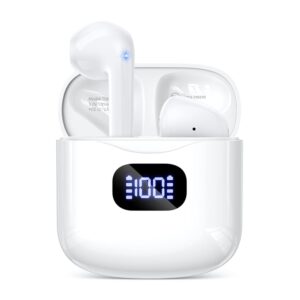
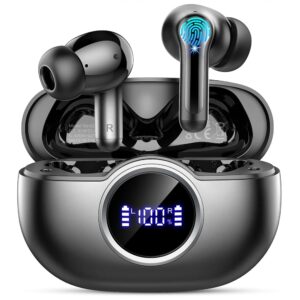
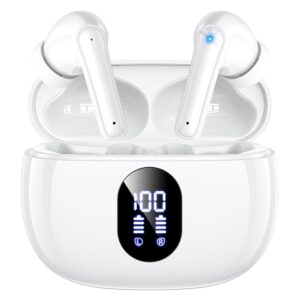
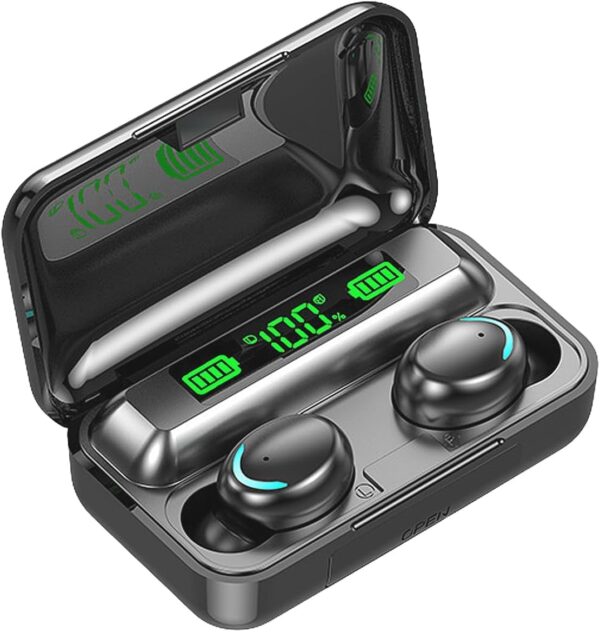
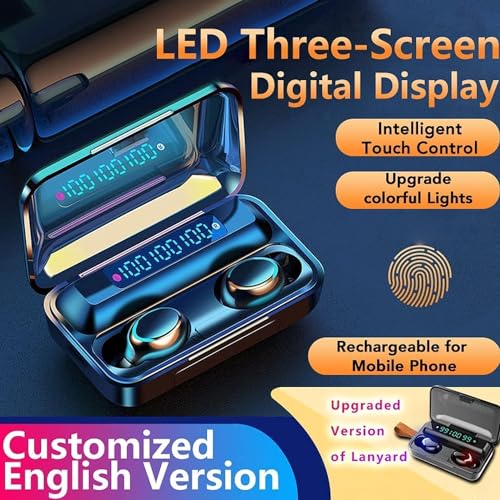
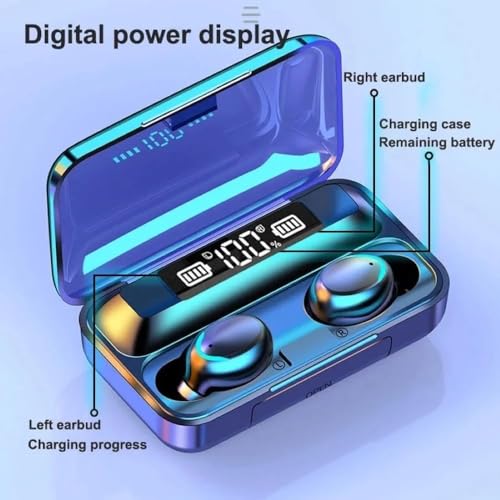
The MOYAWSDGN M28 is one of the least documented products in this catalog, and the gaps are the story. There is no battery figure of any kind on the page. No playtime for the buds, no total with the case, no cell capacity. There is no driver size, no codec, no ear tip count beyond a package list that mentions two ear tips, and no wireless range beyond a 10 meter field in the specification table. What the listing does publish is an IPX7 claim, Bluetooth 5.3, an LED charge display on a semi transparent case, and touch controls. It went live on May 29, 2024, and at the point this data was captured it carried 108 ratings averaging 3.6 out of 5, ranked 13,764th in Electronics and 1,357th in Earbud and In-Ear Headphones. That 3.6 average is the lowest in this group of reviews. This is a new unit, not a renewed or refurbished one.
Who this suits, and what you would have to accept
On the published information, this is a set for someone who wants a cheap pair with a charge display and is willing to buy without knowing how long they play. That is a real category of buyer, and there is no dishonesty in it, but the terms should be stated plainly. If runtime matters to you at all, this listing gives you nothing to plan around, and no amount of other specification compensates for a missing battery figure. Ask the seller before ordering, and treat a refusal to answer as the answer.
The package contents line also deserves reading closely. It lists “two eartips”, which on most listings means one pair rather than two pairs of two sizes. If that reading is right, there is no tip size choice at all, and on a sealed earbud the tip is the component that decides whether you hear any bass. That is a significant limitation, and it is worth confirming before buying because aftermarket tips may be a required purchase rather than an optional one.
Connection: Bluetooth 5.3 described incorrectly
The listing states Bluetooth 5.3 and then makes a claim we have to correct: that Bluetooth 5.3 “provides improved sound quality” and results in “high fidelity sound”. It does not. Bluetooth version numbers govern connection stability, power consumption, pairing behavior and, from 5.2 onward, the groundwork for LE Audio. Sound quality is set by the codec and by the acoustic design, and neither is published here. No codec is named anywhere on the page, so SBC is what you should assume. AAC, the codec that matters on iPhones, is not stated. aptX and LDAC are not stated, and both require the phone and the earbuds to support them before they change anything at all. The high fidelity claim in the listing title is unsupported by the published specification.
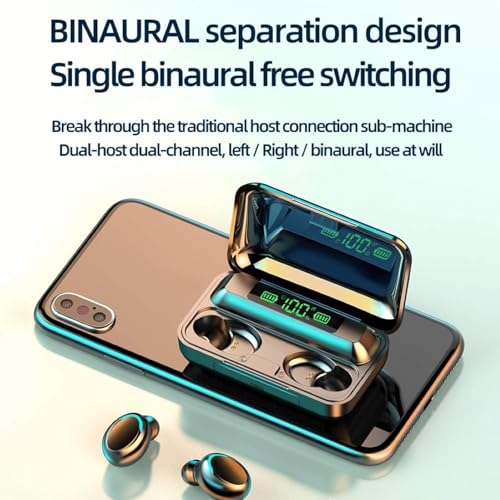
Multipoint is hinted at rather than stated, with the copy saying the connection is “compatible with more than one bluetooth device”, which describes pairing memory rather than simultaneous connections on most products. There is no app, no equalizer, no transparency mode, no wear detection and no firmware update path described.
The noise claim, and why the wording matters
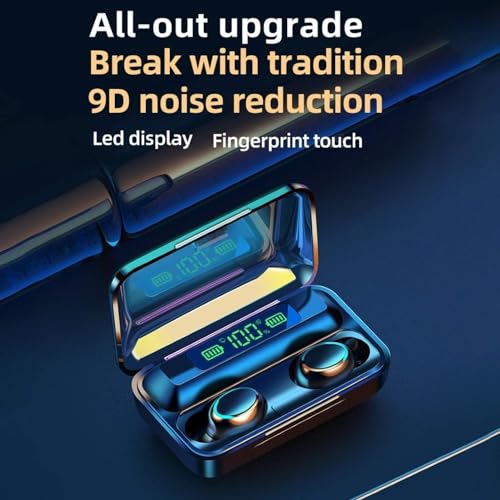
One bullet describes the product as “hearing protectors” that “adopt noise reduction technology to filter environmental noise”. That phrase needs a direct response. Hearing protection is a regulated category with published attenuation ratings, and consumer earbuds are not hearing protection devices. No attenuation figure, no decibel reduction figure and no test standard appears anywhere on this listing, and nothing here should be relied on to protect hearing in a loud environment. A sealed ear tip provides some passive isolation, which is the same thing every sealed earbud provides, and no more.
The more important safety point is the one the listing implies without saying. When ambient noise is high and isolation is weak, the natural response is to raise the volume until the music wins, and that is the pattern that causes listening damage over time. Nothing about this product changes that, and the missing runtime figure means you cannot even plan listening sessions around a known battery limit.
Fit, controls and the IPX7 claim
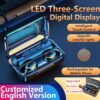
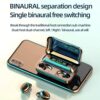
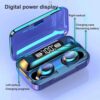
The buds are described as compact and light with a housing that resists sliding, and the case has a semi transparent shell with a digital charge readout. Controls are touch, with the specification table separately listing “Control Type = Volume Control” and “Control Method = Touch”, which are not in conflict but are not a control map either. What each gesture does is not published.
IPX7 is the water claim, supported by a description of waterproof materials and a “high-specification waterproof testing” process with no standard named. IPX7 formally means thirty minutes in one meter of fresh water. The listing then extends the use list to “water sports”, which the rating does not support: moving through water applies pressure well beyond a static immersion test, and no IP rating covers seawater or chlorinated pools. Treat this as sweat and rain protection, and do not swim or surf in it.
The same use list includes cycling and skiing. A sealed earbud removes the traffic and terrain awareness that both activities depend on, and we would not recommend one for either. If you want audio while cycling, an open ear or bone conduction design leaves your ear canal clear, and the PSIER X11, which transmits through the cheekbone rather than sealing the canal is the kind of product that suits road use. Our coverage of that format sits under open ear headphones.
What to buy instead if the gaps matter
If the appeal here is a cheap set with a real water rating and a published runtime, the alternatives are straightforward. The TOZO T6, which publishes a 12 hour bud runtime, six tip sizes and its water rating answers every question this listing leaves open, and the TOZO T10, the other long serving budget model in the range does the same at a similar level. Within the same brand, the MOYAWSDGN M91, a later listing from the same seller is worth comparing to see whether the disclosure improved. Our wider coverage of this format sits under wireless earbuds.
Who should buy it and who should not
Buy the M28 only if you want a cheap spare pair with a charge display, you have confirmed the runtime and the ear tip count with the seller, and you accept SBC audio with no app. Do not buy it on the strength of the high fidelity claim, which the Bluetooth version does not support. Do not read the hearing protector language as meaning anything. Do not use it for water sports, cycling or skiing. And weigh the 3.6 rating average from 108 buyers seriously, because on a listing this thin the ratings are carrying information the specification is not.