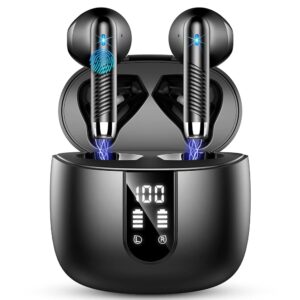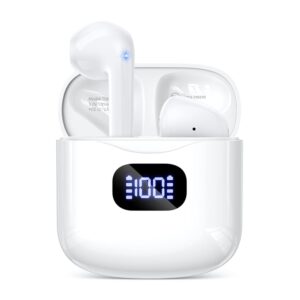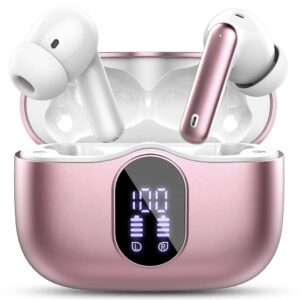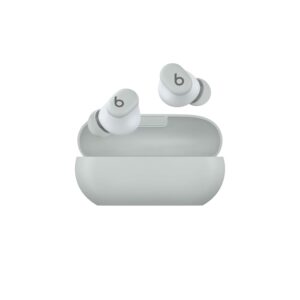
Description
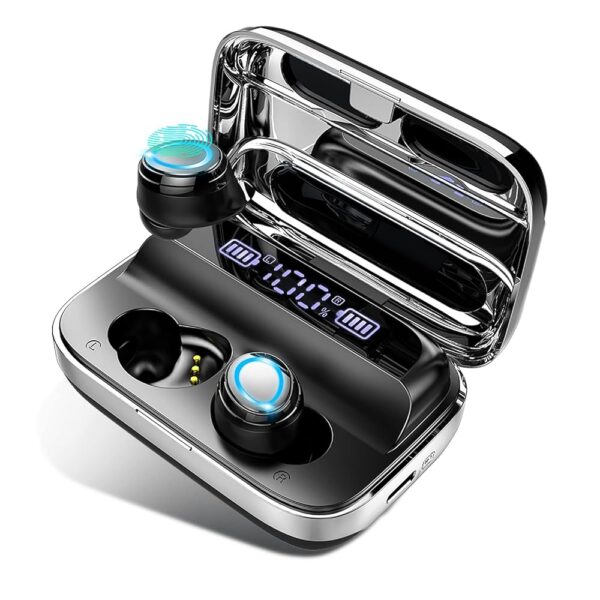
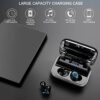
The Motast I09 has been on sale since January 8, 2020 and has accumulated 24,951 ratings averaging 4.3 out of 5, which makes it one of the most reviewed budget earbuds in this catalog. At the point this data was captured it was ranked 13,671st in Electronics and 1,345th in Earbud and In-Ear Headphones. The specification is straightforward: Bluetooth 5.3, a dynamic driver, three ear tip sizes, Qualcomm cVc 8.0 call processing, a dual LED charge display, USB-C charging, and a battery claim of 6 hours from the buds with 140 hours in total. That 140 hour figure is the largest total in this group of reviews by a wide margin, and it deserves examining rather than repeating. This is a new unit, not a renewed or refurbished one.
Who this suits
This is a spare pair and an everyday commuter earbud, and its longevity is the strongest thing about it. A design that has survived five years on sale with a stable rating average has been bought and used by a very large number of people, which is a different kind of evidence from a specification sheet. Touch controls cover calls, playback, volume, track skipping and Siri, and the case charges over USB-C in about 1.5 hours.
What it does not have is worth stating clearly. There is no companion app, no equalizer, no multipoint, no transparency mode and no wear detection described anywhere on the listing.
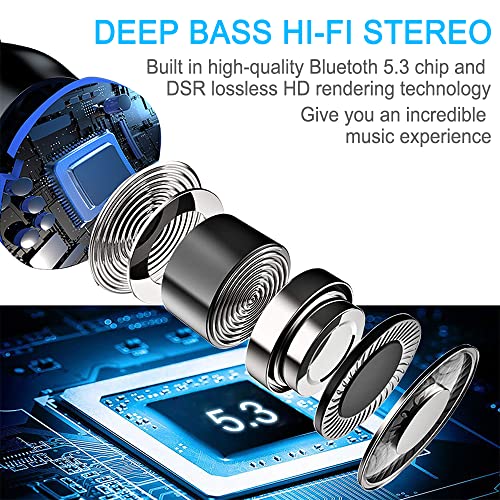
Connection: Bluetooth 5.3, cVc, and a rendering claim that is not a codec
Motast states Bluetooth 5.3, a 15 meter range and pairing in about two seconds. Bluetooth 5.3 governs connection stability, power draw and LE Audio groundwork, and it does not improve sound quality on its own.
DSR lossless HD rendering
The first feature bullet claims “DSR lossless HD rendering technology”. No codec is named anywhere on the page. That phrase describes nothing you can check: lossless audio over Bluetooth is a codec question, it requires both the phone and the earbuds to support the same lossless capable codec, those codecs are limited to particular Qualcomm platforms, and no iPhone supports any of them. SBC is the universal baseline and is what you should assume you are getting. AAC, which matters on iPhones, is not stated. aptX and LDAC are not stated. The high fidelity language on this page is unsupported by the published specification.
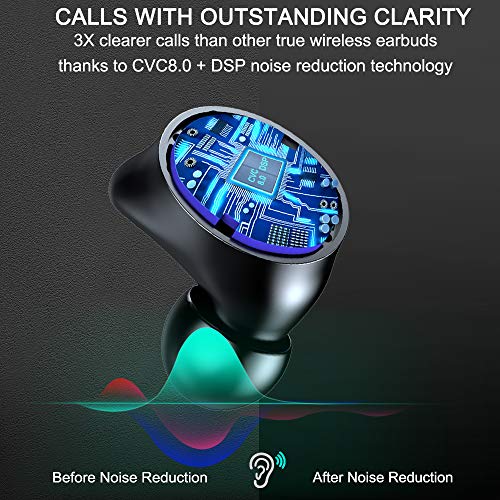
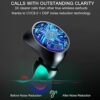
The cVc 8.0 reference is more concrete but is often misread. Qualcomm clear voice capture is a microphone side algorithm that suppresses background noise on the outgoing call signal. It changes what your caller hears and does nothing about ambient noise reaching your ears. The specification table separately records “Noise Control = Active Noise Cancellation”, which is the opposite direction and is described nowhere in the feature copy. We are naming that contradiction rather than picking a side. No decibel figure and no test standard is published for either claim. If quieting a commute is the reason you are shopping, buy a set where active cancellation is described in the marketing copy rather than appearing only in a database field.
Battery: six hours in the bud, and 23 recharges to check
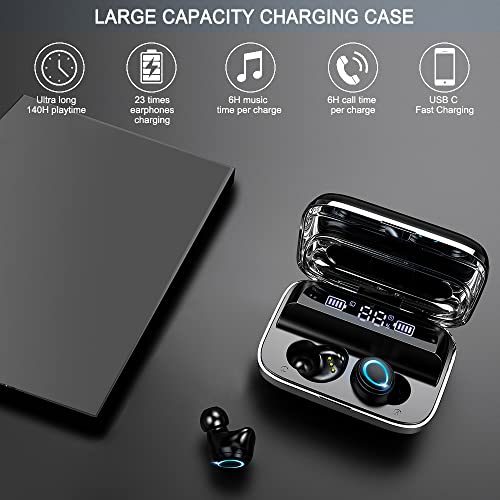
Motast quotes 6 hours of playback from a single charge and says the case recharges the buds about 23 times, providing an extra 140 hours. The arithmetic is internally consistent: 23 recharges at 6 hours each gives 138 hours, which rounds to the headline. What the listing does not publish is the case capacity in milliamp hours, and that is the figure that would let you verify the claim. Twenty three full recharges of a pair of earbuds is an extraordinary reserve for a pocket case, well beyond the four to six that most cases in this catalog offer, and the case dimensions given are not unusually large.
We are naming that gap rather than resolving it. Plan around 6 hours per bud, which is the number that governs your day and is modest by current standards, and ask the seller for the case capacity before treating 140 hours as a reason to buy. As always, quoted playtimes assume moderate volume on a new cell. The specification table also records “Battery Life = 5 years”, which is a service life estimate dropped into a runtime field, and a frequency response of “20 Millihertz”, which is not a value any audio product could have. Neither should change your decision, and both should lower your confidence in the table.
Fit, seal and an invalid water code
Three pairs of silicone tips are supplied in small, medium and large, which is the working minimum on a sealed design and the specification that decides whether you hear any bass. Each bud is quoted at 4 grams. The listing does not publish a driver size anywhere.
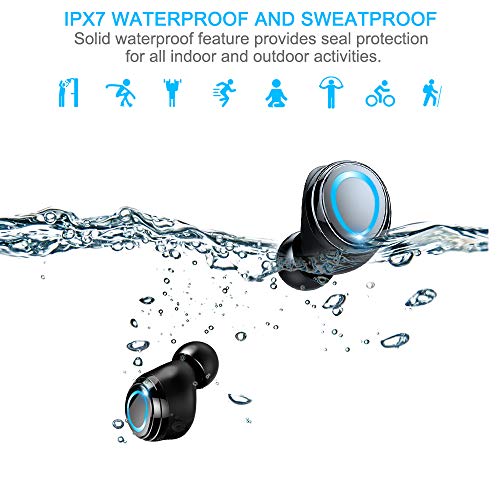
The water claim is not valid as written. Both the title and the feature copy say “IP7 Waterproof”. IP7 is not an IP code: the standard requires two characters after IP, one for solid ingress and one for liquid, with an X where a figure is not rated, so IPX7 and IP67 are codes and IP7 is not. The specification table then records only “Waterproof” with no code. No valid rating is published on this page. Treat the set as unrated, plan around sweat and light rain at most, and do not submerge it.
The same bullet then lists “water sports” among the ideal uses, alongside cycling, skiing and hiking. Water sports are not supported by any rating this listing publishes, and even a valid IPX7 code would not cover them, because moving through water applies pressure far beyond a static immersion test and no IP rating covers seawater or chlorinated pools. As for cycling and skiing, a sealed earbud removes the environmental sound both activities depend on, and we would not recommend one for either.
What to compare it against
If a valid published water code is what you want at this price, the TOZO T6, which publishes a real immersion code, six tip sizes and a 12 hour bud runtime answers every gap on this page, and the TOZO T10, the other long serving budget model in that range is the closest rival on longevity. If you want an app and an equalizer at a similar level, the Soundcore Life A1, which adds tuning control is the option, and the Skullcandy Dime, a smaller and simpler budget set suits anyone who finds this housing bulky. Our wider coverage sits under wireless earbuds and earbud headphones.
Who should buy it and who should not
Buy the I09 if you want a cheap set with a five year sales history and nearly 25,000 ratings behind it, and if 6 hours per bud with a large case reserve fits how you listen. Do not buy it on the strength of the 140 hour claim until the case capacity is published. Do not treat IP7 as a rating, and do not use it for water sports, cycling or skiing. And do not expect active noise cancellation, whatever the specification field says.