Description
What the A16 is
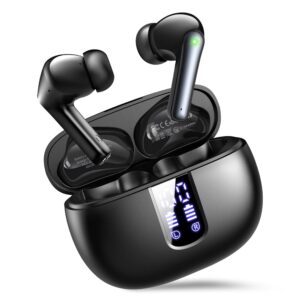
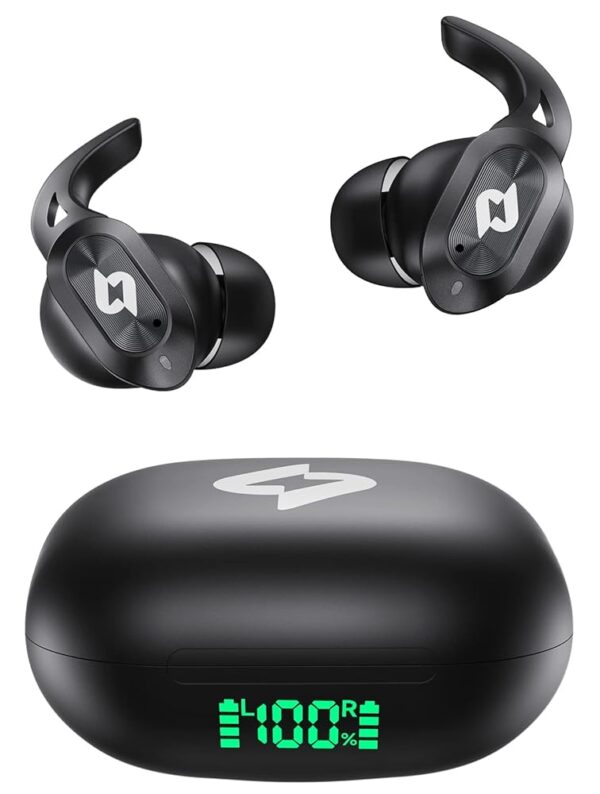
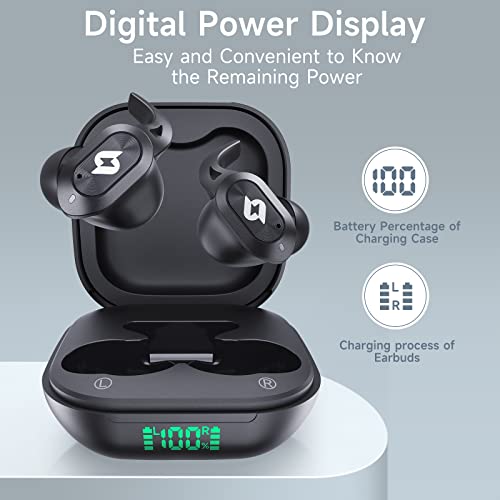
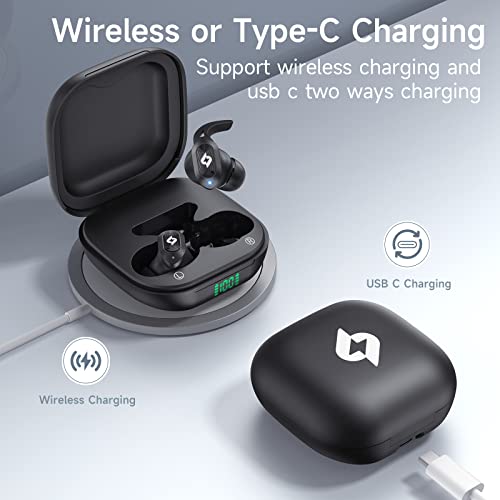
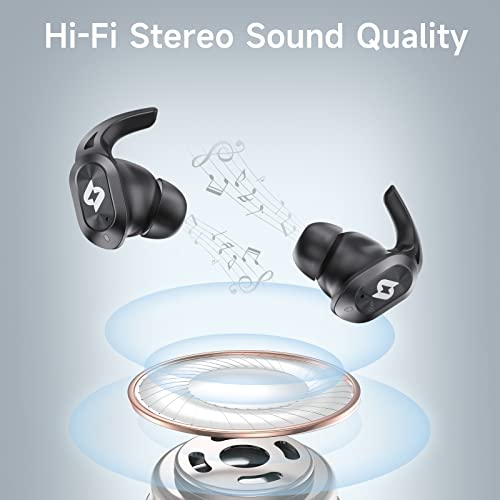
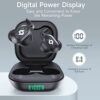
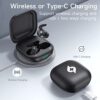
The Yeteky A16 is a straightforward in-ear true wireless pair whose main distinguishing feature is a wireless charging case at a low price point, alongside an LED digital display showing charge for both the buds and the case. Three ear tip sizes are included. The listing is short and most of the useful information sits in four feature bullets rather than in the specification table.
The published rating is 4.8 out of 5, which is the highest average anywhere in this batch, but it rests on only 152 ratings. That is a small sample, and a very high average across a hundred and fifty ratings tells you considerably less than a lower average across ten thousand. The listing places the model 700th in the earbud and in-ear headphone category and it first appeared in March 2025. It also appears at 111th in on-ear headphones, a category this product does not belong in, which reflects the same confusion visible in the specification where Ear Placement reads In Ear and Form Factor reads On Ear.
Battery, which adds up
The first bullet gives a clean split: 8 hours of use per charge from the earbuds, and up to 32 hours with the charging case, which provides three extra charges. Eight hours multiplied by four total charges is thirty two, so the arithmetic is internally consistent and the claimed three case recharges is a modest and believable figure rather than the ten or more that some listings imply.
Eight hours per charge is the number to compare against other products. There is no Battery Life field in the specification table at all, no charging time for the buds or the case, and no case capacity in milliamp hours, so there is nothing to cross check the bullet against. Yeteky also notes plainly that the wireless charger itself is not included, which is the sort of detail sellers often leave for the buyer to discover.
Connection and codecs
The specification gives Bluetooth 5.3 and pairing is automatic once the earbuds are removed from the case. There is no range figure. The Wireless Communication Technology field reads Wireless rather than Bluetooth, which is a field error rather than a meaningful statement.
No audio codec is named anywhere. SBC is the guaranteed baseline, AAC is unconfirmed, and neither aptX nor LDAC is claimed, so nothing here supports a high resolution or lossless description. Multipoint pairing is not mentioned and no companion app is named. Compatible devices are listed as cellphones, televisions, telephones, laptops and desktops.
There is no Noise Control field on this listing and no bullet claims active noise cancellation. The second bullet says the earbuds bring clear calls in noisy environments, which describes microphone side processing working on what your caller hears. Any quiet you get while listening comes from the ear tip seal alone.
Fit, seal, controls and a water rating handled well
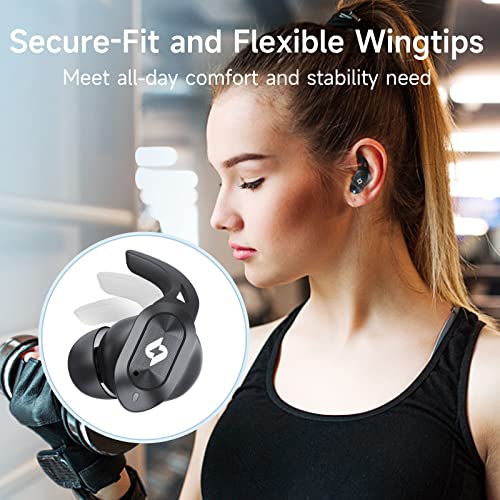
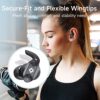
Three ear tip sizes are stated in the third bullet, which is the standard count and is at least published. Seal decides how much bass a sealed in-ear product appears to have, so tip options are a real specification rather than an accessory. Beyond that the listing publishes nothing about the driver: no size, no type, no impedance, no sensitivity and no frequency response. Controls are touch based.
The water rating is one of the better handled claims in this batch. The fourth bullet says IPX5 and then, in parentheses, adds not for immersion. IPX5 is a valid code meaning protection against a low pressure water jet from any direction, which covers sweat and light rain exactly as Yeteky describes. Adding the immersion caveat voluntarily is the right thing to do and it deserves credit.
The one thing to correct is the Water Resistance Level field, which reads Waterproof. IPX5 is not waterproof. It is splash and jet resistance, and Yeteky’s own bullet is clearer on this than its own specification table. Read the bullet. As always, no IP code covers seawater, chlorinated pool water or pressurized hot water, the X means no dust testing was performed, and seals degrade with age and heat. The Batteries field reading one A battery required is another import error describing a disposable cell rather than a rechargeable pack.
Two further gaps are worth naming, because they are the specifications a buyer would normally use to separate one product like this from another. First, there is no latency figure anywhere, in milliseconds or otherwise, so there is no way to judge whether video will stay synchronized or whether games will feel responsive. Second, there is no microphone detail at all: no count, no ENC or noise reduction claim, and no description of how calls are handled beyond a single phrase about clear calls in noisy environments. For a product that lists calling among its recommended uses, that is a meaningful omission.
The absence of any driver specification compounds this. Most competing listings at this level publish a driver size, usually somewhere between 10mm and 14.2mm, and while driver diameter is a crude proxy for anything it is at least a checkable number. Here there is nothing, which means the only things you can actually compare against another product are the 8 hour runtime, the 32 hour total, the three tip sizes and the IPX5 rating. That is a short list, and it puts more weight on the 152 rating sample than that sample can really carry.
Two recommendations to disregard
The Recommended Uses field lists cycling and motorcycling. This is a sealed, sound isolating in-ear product, and sealing both ear canals on a road removes the sound cues you use to place traffic. Several states restrict wearing earphones in both ears while operating a vehicle. For riding, an open ear design that leaves the canal clear is the correct category, and this is not it. The presence of those two entries alongside office meetings and calling suggests the field was filled in for search coverage rather than as a recommendation.
What else to consider
Products in this bracket differ mainly in what each seller chooses to publish rather than in the underlying hardware. Comparisons worth making include the ZINGBIRD T62 aimed at workouts, the TIMU S28-BK with a 50 hour case total, the QXUFV QX68 built around long playtime and the Matast B02 on a Bluetooth 5.4 radio. Browse the true wireless earbud section and the wider in-ear headphone listings for the rest.
Who should buy it, who should not
Buy it if wireless charging at a low price is the appeal, if 8 hours per charge and 32 hours in total covers your use, and if three tip sizes and a clearly stated IPX5 rating are enough specification for you. Skip it if you need noise cancellation, a named codec, or any published information about the driver, because none of it appears here. Weigh the 4.8 average against its 152 rating sample, do not read IPX5 as waterproof despite what the specification field says, and ignore the cycling and motorcycling entries in the recommended uses.