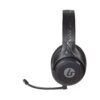
Description
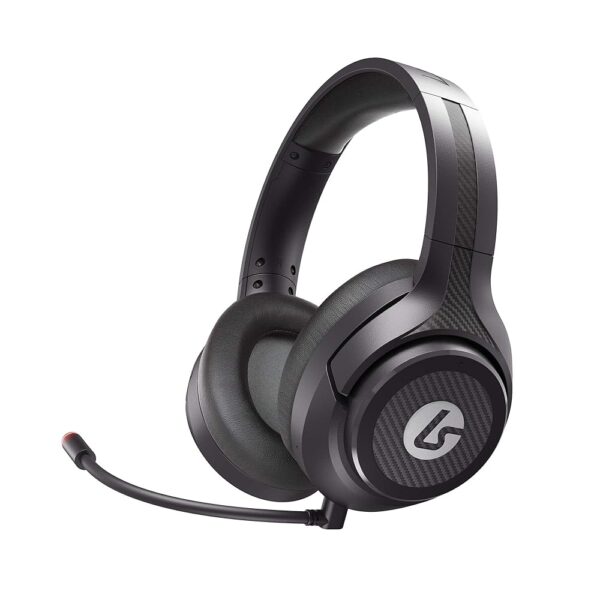
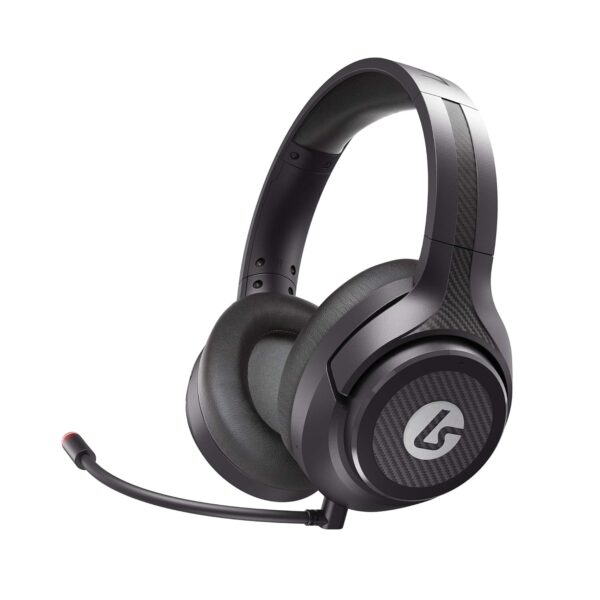
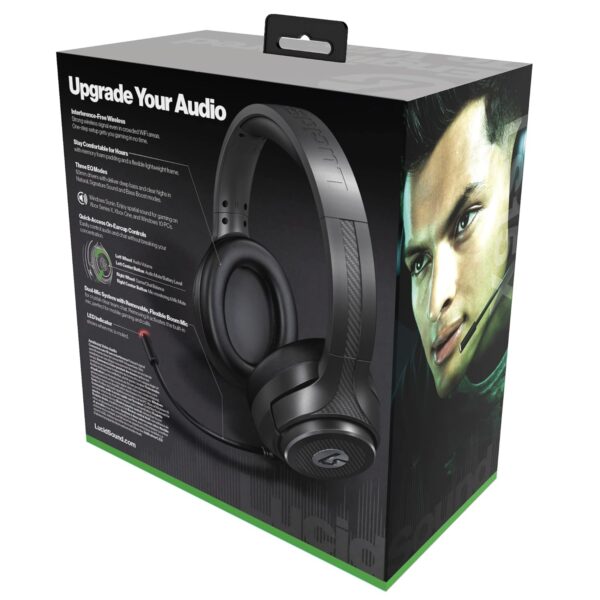
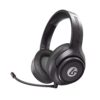
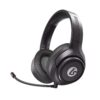
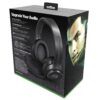
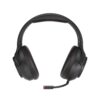
The LucidSound LS15X is a closed over-ear wireless gaming headset that LucidSound describes as officially licensed for use on Xbox. Its selling point is control layout: rather than routing everything through an app, the LS15X puts volume, game and chat balance, microphone mute, game audio mute and microphone monitoring on the ear cups themselves. That is an unfashionable approach and a defensible one, because a physical control tells you its state without a screen.
The player this suits
This headset is for someone who plays on Xbox, wants to adjust the mix mid-match without opening a menu, and does not need the headset to double as a phone accessory. LucidSound’s own description leads with quick access audio controls and a low latency wireless connection, and the feature list stays in that lane throughout. Nothing here is aimed at commuting or music listening away from the console.
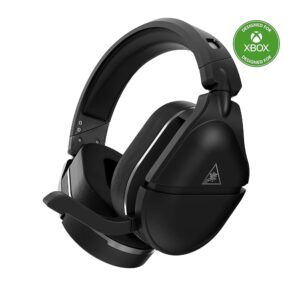
It is worth being direct about the scope of this listing, because it is unusually thin. This product record carries no structured attribute data at all. There is no published weight, no frequency range, no driver material, no Bluetooth version, no charge time and no ingress rating. Everything below comes from the manufacturer’s own description and bullet points, and where the description is silent, we have said so rather than filling the gap. Buyers who want a headset whose specification is fully published should compare against the Turtle Beach Stealth 700 Gen 2 MAX, which lists a Bluetooth version, a weight and a water resistance status.
How it connects, and what is not answered
LucidSound calls the connection “low latency interference-free wireless” and says it holds a strong link in crowded Wi-Fi environments and is quick to set up. That phrasing, combined with Xbox licensing, points to a 2.4 GHz transmitter rather than Bluetooth. The description never uses the word Bluetooth, never names a codec, never mentions pairing to a phone and never mentions multipoint. On the published evidence this is a single-purpose console radio, and that is the right architecture for gaming, because ordinary Bluetooth audio carries enough delay to break the timing between what you see and what you hear.
The compatibility list and the wireless claim do not fully agree
The product title lists Xbox One, Xbox Series X and Series S, Nintendo Switch, PC and mobile. An Xbox-licensed 2.4 GHz transmitter does not connect wirelessly to a Nintendo Switch or a phone. Headsets in this class normally cover those platforms through a 3.5 millimeter analog cable, but this listing does not state that a 3.5 millimeter cable exists, does not list an included components set, and does not describe a wired mode anywhere. That is a real gap. If Switch or phone use is part of why you are considering it, confirm the wired connection and the cable before ordering rather than assuming the title covers it.
No radio range figure is published either, in feet or meters. Comparable transmitter-based headsets such as the ASTRO A20 Gen 2 quote around 15 meters, but that is a different product and cannot be applied here.
Battery: one figure, and what it leaves out
LucidSound rates the rechargeable battery at up to 15 hours on a single charge, and provides a battery level check by holding the button on the left ear cup for three seconds. Being a one-piece over-ear headset, there is no charging case, so there is no combined figure obscuring a shorter per-use runtime the way there is on true wireless earbuds.
What the 15 hour figure does not tell you is the conditions it assumes. Quoted playtimes are best case, generally at moderate volume, and a gaming headset with a live microphone and microphone monitoring enabled draws more than one sitting idle. The recharge time is not published at all, nor is the charging connector, nor whether the headset can be used while charging. That last point matters more on a 15 hour headset than on a 40 hour one, because 15 hours is roughly a week of evening sessions rather than a month.
Fit, drivers, controls and water resistance
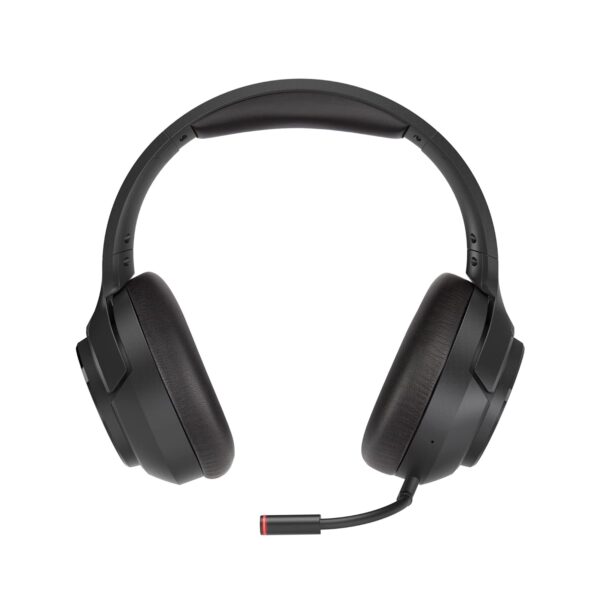
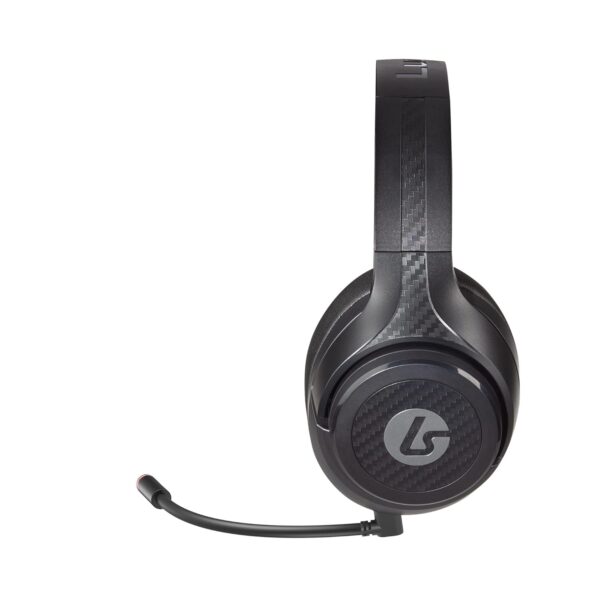
LucidSound describes an ultra-lightweight frame with memory foam ear pads, and custom tuned 50 millimeter drivers. Fifty millimeters is the common size for gaming over-ears and gives the driver room to move air at low frequencies, though tuning matters far more than diameter. No weight is published, so “ultra-lightweight” is a marketing word here with no number behind it.
Three equalizer modes are selectable on the headset: Signature, Bass Boost and Neutral. Presets on the hardware rather than in an app is consistent with the rest of the design, and it means the modes work identically on every platform the headset connects to. LucidSound also lists Windows Sonic spatial sound support, which is worth understanding correctly: Windows Sonic is a Microsoft software format applied by the PC or console, not processing built into these ear cups. Any stereo headset can use it.
The microphone is a dual system. A flexible boom with an LED mute indicator handles normal chat, and detaching the boom activates a built-in backup microphone, which is a genuinely useful arrangement if you want to keep the headset on for a call after the game ends. Microphone monitoring, which feeds your own voice back into the cups so you do not shout, can be disabled by holding the right ear cup button for three seconds.
No IP rating is published, and no water resistance statement appears anywhere in this listing. Do not treat the LS15X as sweat resistant. As with any closed, sealed over-ear design, it is also unsuited to cycling or road running, because it removes your ability to hear traffic.
What is missing, and where to look instead
The unpublished list on this record is long enough to be the main finding: no weight, no frequency response, no impedance, no sensitivity, no microphone specification, no included components list, no charge time, no wireless range, no ingress rating and no wired mode description. That does not make the headset bad, but it does mean a buyer is relying on the manufacturer’s adjectives rather than on numbers.
For alternatives that publish more, the Corsair HS70 Pro Wireless covers similar ground, and the SteelSeries Arctis Pro Wireless sits well above it with a base station and swappable batteries. If the headset is really going to spend most of its life on music rather than games, the wireless over-ear headphone listings are a better starting point, since codecs and battery figures are documented there.
Who should buy it, who should not
Buy the LS15X if you play on Xbox, want hardware controls and hardware EQ presets rather than an app, and want a detachable boom with a backup microphone. Skip it if you need confirmed Switch or phone connectivity, if you want a published Bluetooth codec or any Bluetooth at all, if 15 hours is short for how you play, or if buying against a specification sheet rather than a description is something you would rather not do.